



A single-contrada Carricante from “one of the best producers on Etna”
- 94+ pts Wine Advocate94+ pts RPWA
- 94 pts James Suckling94 pts JS
- Curated by unrivaled experts
- Choose your delivery date
- Temperature controlled shipping options
- Get credited back if a wine fails to impress
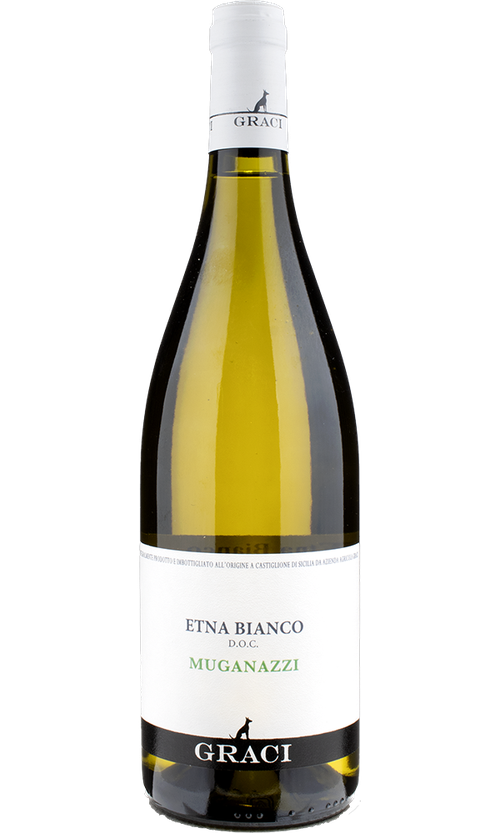
2023 Graci Muganazzi Etna Bianco 750 ml
| $55 | 1-5 bottles | |
| $50 | 9% off | 6+ bottles |
- Curated by unrivaled experts
- Choose your delivery date
- Temperature controlled shipping options
- Get credited back if a wine fails to impress
Gaja: “Get Me Graci”
What Angelo Gaja is to Piedmont, what Antinori is to Tuscany, Alberto Graci is to Sicily—specifically, the black volcanic soils of Mount Etna.
Twenty years ago, almost no one outside Sicily was talking about Etna. Graci is a large part of why that changed. A former Milan finance man, he came home to Sicily in 2004, took over family land on the volcano, and set about making wine from the indigenous grapes that had grown there for centuries—Carricante and Catarratto for whites, Nerello Mascalese and Nerello Cappuccio for reds. He went on to lead the Etna consorzio, and when Gaja went looking for a Sicilian partner, he came to Graci; their joint project is called IDDA.
Graci's reputation was built on his reds, but his whites are where the attention has turned, and Muganazzi is the one to know. It's a single contrada on Etna's north side at around 700 meters, planted to the estate's youngest Carricante vines.
The soil is the story here: black volcanic sand and ash, so distinctive that the vines grow own-rooted and ungrafted, phylloxera having never found a way through. Carricante is the grape that makes the most of it. Grown at altitude on the volcano, it holds a bracing natural acidity that gives Etna whites their tension and their long life in the cellar.
In the cellar, Graci ferments and rests Muganazzi in a mix of stainless steel and large oak, on the lees—steel for precision, oak for breadth—so the wine gains texture and depth without any obvious wood.
thinned the crop, and the vines that came through carried fewer, cleaner bunches into a long, dry summer. Less fruit, more concentration: the whites from this vintage are intense and tightly wound, built on the mineral core that makes high-elevation Carricante worth seeking out. James Suckling found it "really delicious and intense," with "tension and brightness" and a close of "crushed stone, flint and dried lemon."
Expect lemon and crushed stone, a thread of flint, and apricot and dried apple as it opens in the glass—taut, saline, and long. It's a natural with anything from the sea.
You might also like these wines
- Member Favorite
- Member Favorite






- You're on page